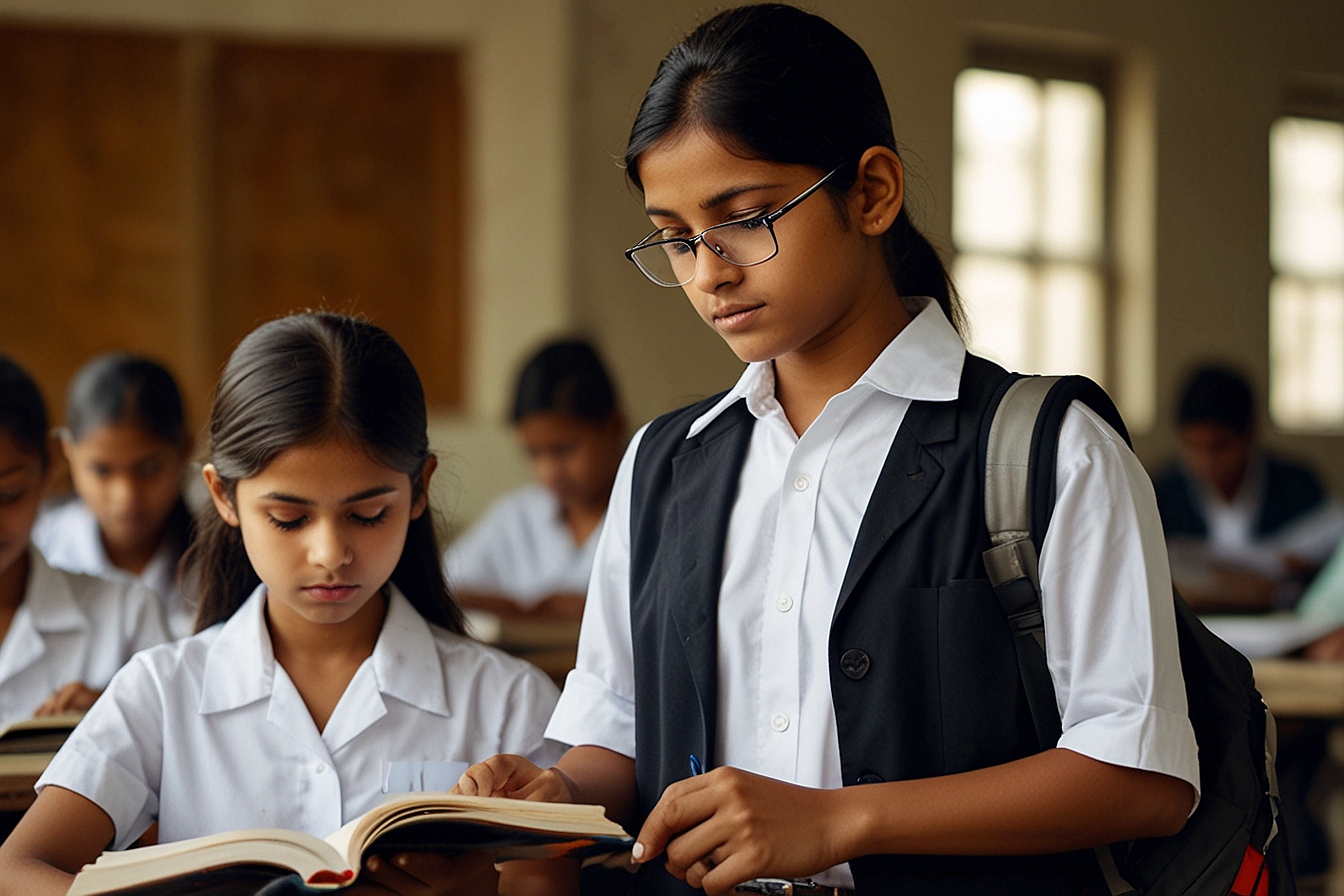
India, with its rich historical and cultural heritage, has always placed a high value on education. From ancient times when Nalanda and Takshashila were considered among the world’s earliest universities to the contemporary era of modern institutions, education in India has undergone significant transformations.
Exploring an online casino in bangladesh has become a popular pastime, offering players a chance to enjoy a wide array of games from the comfort of their homes.
This article delves into the evolution of the Indian education system, its current challenges, and future prospects.
Historical Evolution
The roots of education in India can be traced back to the ancient Vedic period, where education was imparted orally and was closely linked to religion and philosophy. The Gurukul system, where students lived with their teachers (gurus) and learned various subjects, was the norm. The curriculum included not only religious texts but also arts, mathematics, and sciences.
During the medieval period, with the establishment of Islamic rule, Persian and Arabic became prominent, and many madrasas were established. The Mughal era further enriched the educational landscape with its emphasis on Persian and Sanskrit literature.
The advent of British colonial rule in the 18th century brought significant changes. The British introduced Western-style education, focusing on English as the medium of instruction and modern subjects like science, mathematics, and humanities. The establishment of universities in Calcutta, Bombay, and Madras in the mid-19th century marked the beginning of modern higher education in India.
Post-Independence Era
Post-independence, India faced the monumental task of restructuring its education system to cater to the needs of a diverse and populous nation. The government undertook several initiatives to promote literacy and expand educational opportunities.
The Indian Constitution, adopted in 1950, guaranteed free and compulsory education for children up to the age of 14. The Kothari Commission (1964-66) laid the foundation for a uniform education system and recommended the 10+2+3 structure, which is still in use today.
In the following decades, numerous policies and programs were launched to address issues of access, equity, and quality. The National Policy on Education (1986) and its subsequent revision in 1992 aimed at universalizing elementary education, eradicating illiteracy, and improving the quality of education at all levels.
Current Challenges
Despite significant progress, the Indian education system faces several challenges:
- Access and Equity: While enrolment rates have increased, there is a substantial disparity in access to education based on gender, socio-economic status, and geography. Rural areas and marginalized communities often lack adequate educational infrastructure and resources.
- Quality of Education: Quality remains a critical issue, with many schools suffering from poor infrastructure, lack of trained teachers, and outdated curricula. This results in low learning outcomes, as evidenced by various national and international assessments.
- Dropout Rates: High dropout rates, especially among girls and economically disadvantaged students, pose a significant challenge. Socio-economic pressures, child labor, and early marriage are some of the contributing factors.
- Higher Education: While India boasts a large number of higher education institutions, the quality and relevance of education provided are inconsistent. Many graduates struggle with employability due to the gap between academic training and industry requirements.
- Technological Integration: The COVID-19 pandemic highlighted the digital divide in India. While urban students could shift to online learning, many rural and underprivileged students were left behind due to lack of access to digital devices and the internet.
Future Prospects
The future of education in India looks promising with various reforms and initiatives being undertaken to address these challenges:
- National Education Policy (NEP) 2020: The NEP 2020 aims to transform the Indian education system by making it more holistic, flexible, and multidisciplinary. It emphasizes early childhood care, foundational literacy, vocational education, and the integration of technology.
- Digital Learning: The government’s push for digital literacy and initiatives like Digital India and SWAYAM (Study Webs of Active Learning for Young Aspiring Minds) are steps towards bridging the digital divide and promoting e-learning.
- Skill Development: Emphasis on skill development and vocational training can enhance employability and bridge the gap between education and industry needs. Programs like Skill India aim to equip the youth with relevant skills.
- Public-Private Partnerships: Collaboration between the government and private sector can help improve infrastructure, quality of education, and innovation in teaching methods.
- Inclusive Education: Efforts to make education more inclusive, such as scholarships for economically disadvantaged students, gender-sensitive policies, and special education programs for differently-abled students, are crucial for ensuring equity.
Conclusion
Education in India has come a long way, evolving through various historical phases and adapting to the changing needs of society. While the challenges are formidable, the concerted efforts of the government, private sector, and civil society hold the promise of a brighter future. With the right policies and implementations, India can harness the potential of its young population and pave the way for a more educated and equitable society.